The Ghetto
In the shadow of the Nazi invasion, two young people from opposite worlds dare to fall in love.
The Ghetto is a sweeping historical novel set in Warsaw between 1939 and 1943. At its heart is the forbidden romance between Jakub Rosen, a Jewish film producer who dreams of uniting Poles and Jews through art and shared humanity, and Natalia Mazurówna, a talented Christian actress from a traditional family. Their love is tested first by deep-rooted prejudices and jealous rivals, then shattered by the brutal construction of the Warsaw Ghetto wall.
As Jakub fights for survival inside the ghetto — witnessing starvation, deportation, and the slow erasure of his world — Natalia risks her life on the Aryan side, joining the Polish resistance to reach him while evading a dangerous pursuer. Around them, real and inspired historical figures navigate impossible choices: Polish actors and officers forging documents, priests confronting their faith, and ordinary people finding extraordinary courage.
Blending intimate personal drama with the larger tragedy of the Warsaw Ghetto Uprising, The Ghetto explores love that refuses to die, the moral cost of resistance, and the fragile bonds of solidarity between Poles and Jews in the face of industrialised hatred. It is a story of defiance — both quiet and explosive — and a testament to the human spirit that persists even when everything else is taken.
The real heroes in the novel
These remarkable individuals — some real historical figures woven into the story, others closely inspired by them — represent the courage, compassion, and quiet defiance that defined the darkest years in Warsaw. Their lives remind us that even in the face of unimaginable evil, ordinary people found ways to resist, to protect, and to affirm humanity.
Witold Zacharewicz
A beloved Polish actor and cavalry officer who risked everything to forge documents for Jews and aid the underground. His story of love, moral choice, and ultimate sacrifice forms one of the emotional hearts of the novel.
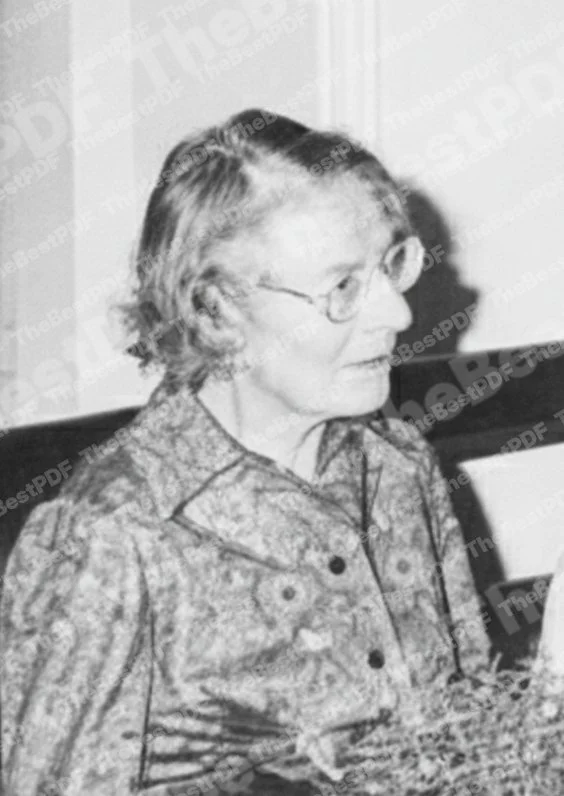
Anna Borkowska (Sister Bertranda)
A courageous nun who sheltered Jewish refugees, smuggled weapons into the Warsaw Ghetto, and became a vital link in the resistance. Her quiet determination and moral clarity inspired key threads of solidarity and rescue in the book.
Marceli Godlewski
A Polish priest who worked tirelessly inside the ghetto, providing spiritual comfort and practical help to its starving inhabitants despite the dangers.
Adolf Dymsza
A popular Polish comedian and actor who used his platform — and personal risks — to bring moments of laughter and humanity to a city under occupation.
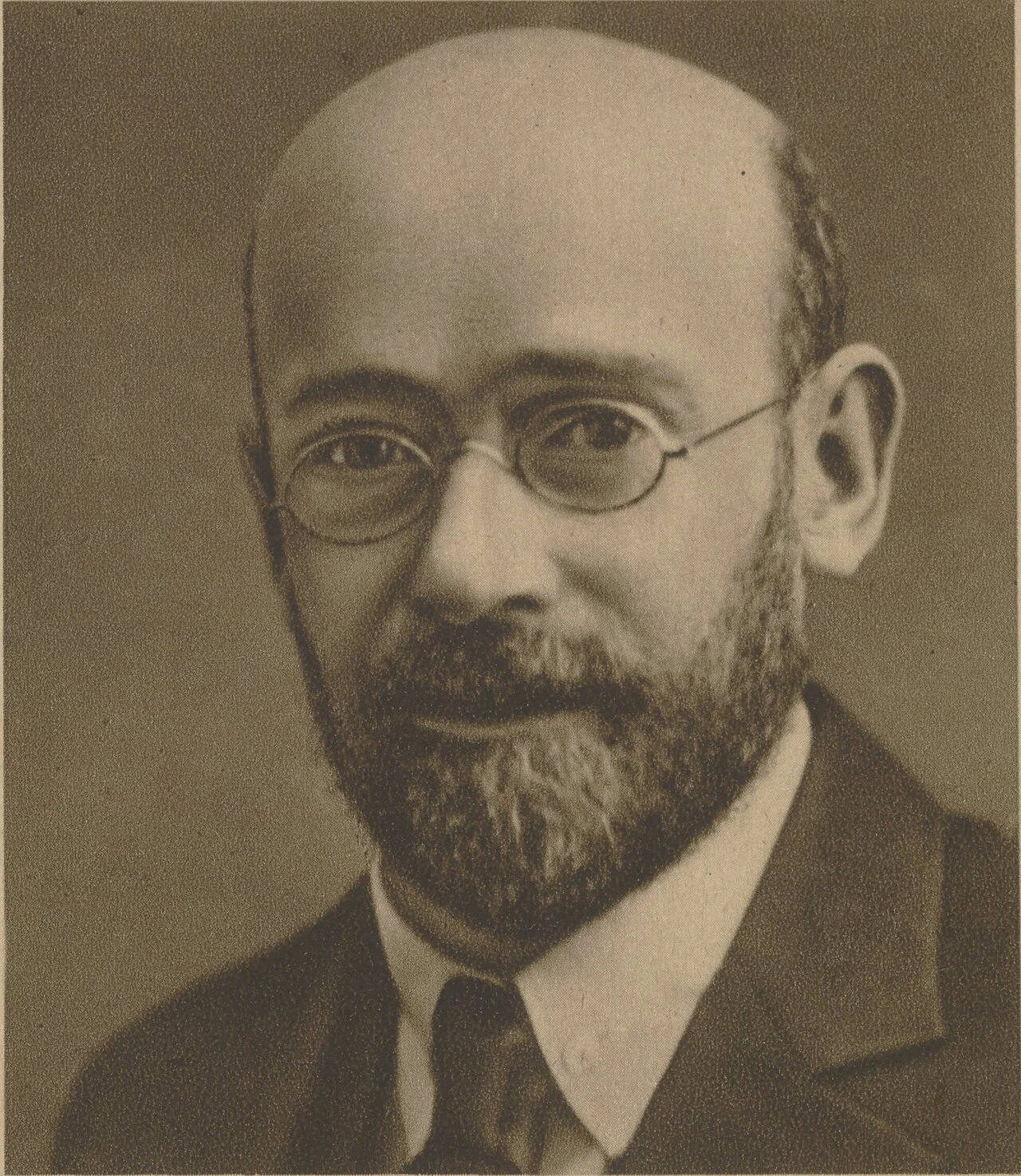
Janusz Korczak
The legendary doctor, educator, and author who refused to abandon the children of his orphanage, choosing to accompany them to Treblinka. His unwavering commitment to dignity in the face of horror remains one of the most powerful moral beacons of the era.
Anton Schmid
An Austrian Wehrmacht sergeant who saved hundreds of Jews in Vilnius by issuing false papers and providing aid, paying with his life. His story stands as a powerful reminder that conscience can transcend uniform and nationality.
These men and women embody the central truth at the heart of The Ghetto: in times of hatred and division, the greatest acts of resistance are often rooted in love, friendship, and the stubborn refusal to let go of our shared humanity.
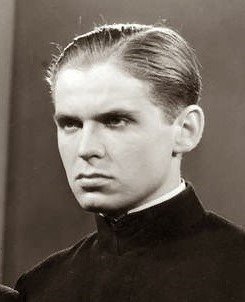
Witold Zacharewicz
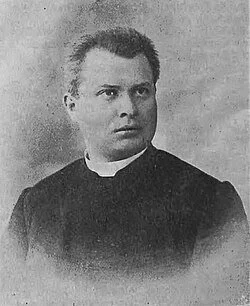
Marceli Godlewski
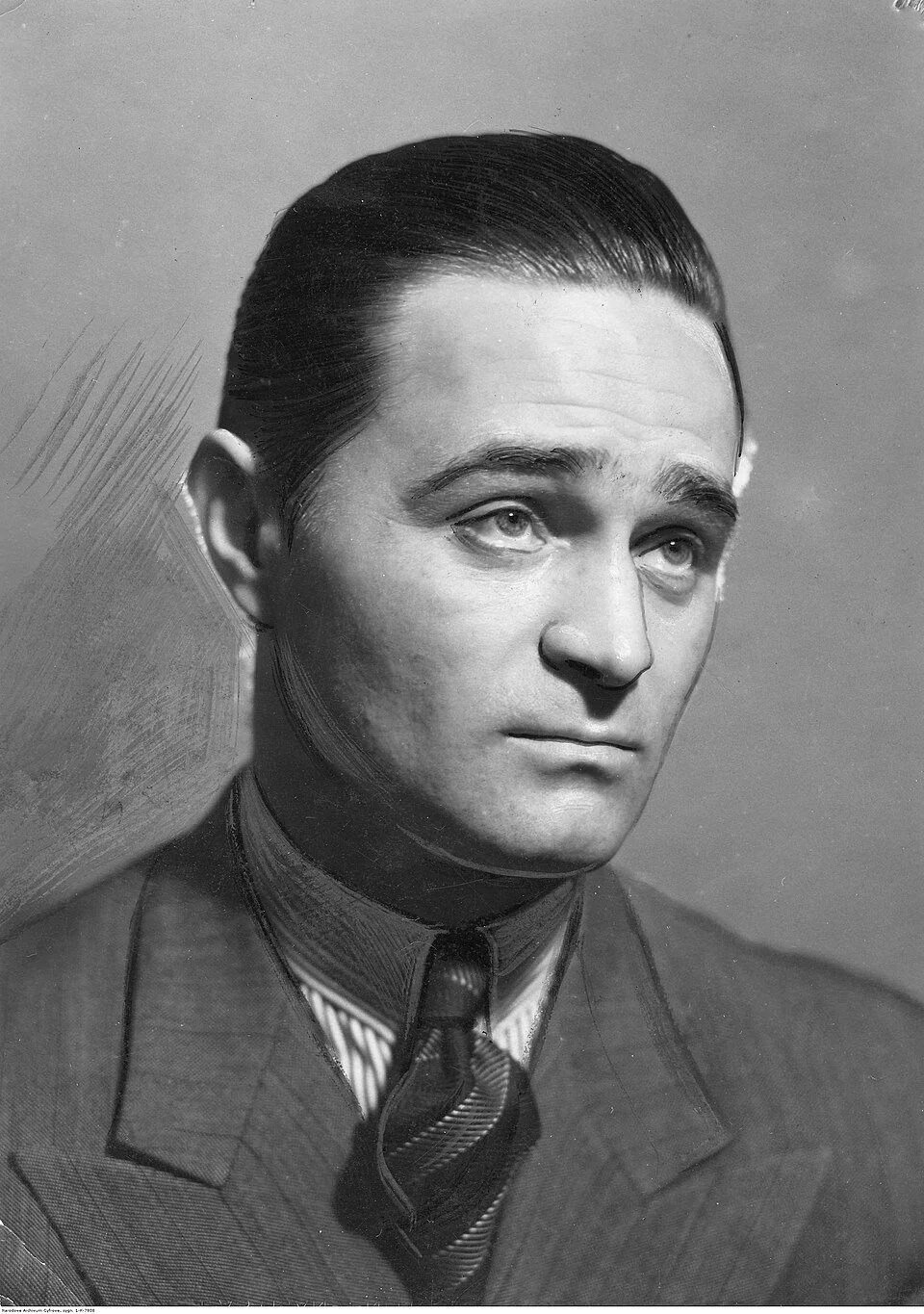
Adolf Dymsza
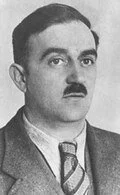
Janusz Korczak
Anna Borkowska
Anton Schmid